Alupo calls for stronger implementation of the BUBU policy and protection of local industries
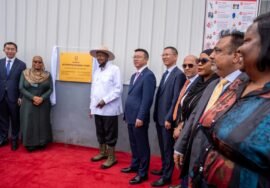
MUNYONYO KAMPALA: The Vice President of Uganda H.E Jessica Alupo, has called for accelerated local manufacturing, value addition and industrial investment as key drivers of the country’s ambition to grow its economy tenfold to US$500 billion by 2040. Representing H.E. President Yoweri Kaguta Museveni as Guest of Honour during the commemoration of Africa Industrialisation Day 2026 under the Uganda Industrialization Conference 2026, she emphasised the need to move beyond exporting raw materials towards strengthening domestic production, creating jobs and retaining more value within the economy.
She highlighted Uganda’s economic growth from US$3.9 billion in 1986 to approximately US$69 billion, with projections of US$80 billion in the following year, while stressing that growth must be accompanied by structural transformation. Using coffee as an example, she illustrated the economic potential of local processing rather than exporting raw beans at approximately US$2 per kilogramme when finished products can fetch up to US$40.
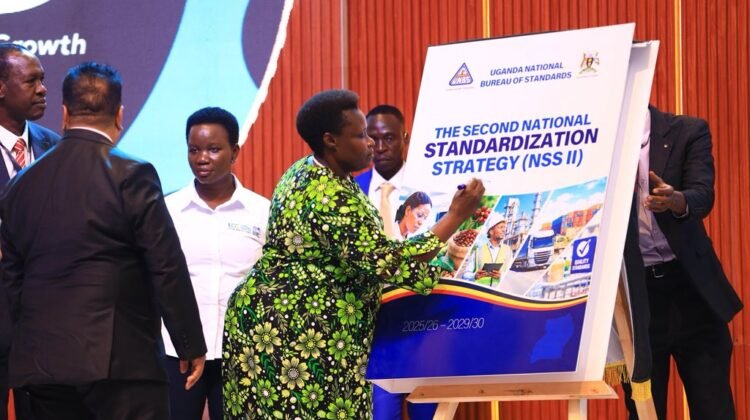
The Vice President also launched three key initiatives: the Ministry of Trade, Industry and Cooperatives’ e-services portals, developed in partnership with NITA Uganda.Uganda’s Second National Standardisation Strategy (NSS II), incorporating ATMS standards; and the Uganda Development Corporation’s Strategic Plan for FY 2025/26–2029/30. She further highlighted government interventions, including UGX 1.6 trillion in patient capital through Uganda Development Bank and a target industrial electricity tariff of US$0.05 per kWh in industrial parks. She called for stronger implementation of the Buy Uganda, Build Uganda (BUBU) policy and protection of local industries against smuggling and counterfeit products, reaffirming the importance of domestic production in driving Uganda’s industrial transformation.
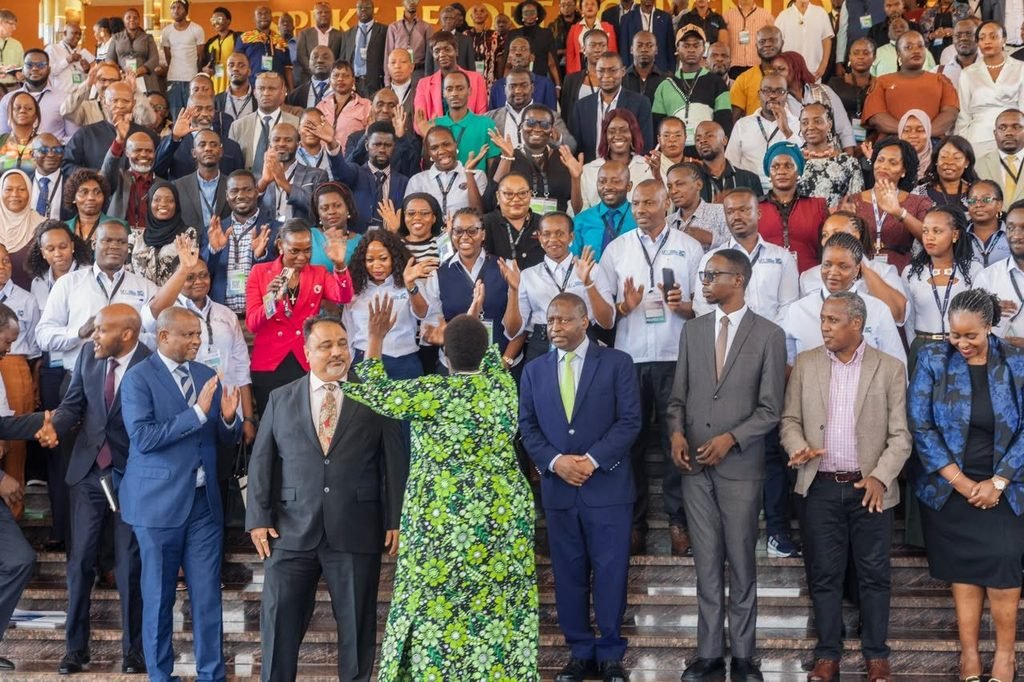
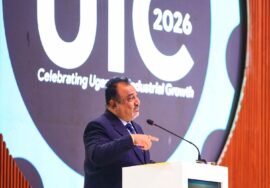
The Minister of Trade, Industry and Cooperatives, Hon. Sanjay Tanna re-echoed investment in local manufacturing, value addition, research and innovation, saying Africa’s economic sovereignty depends on its ability to process its natural resources and manufacture finished products rather than rely on raw material exports. Addressing delegates during the commemoration of Africa Industrialisation Day 2026 and the 10th anniversary of the re-establishment of the Uganda Development Corporation.
“The vision enshrined in Agenda 2063, The Africa We Want, cannot be achieved through the continued exportation of raw materials. True economic sovereignty and regional stability depend on our ability to process our raw materials, manufacture products, conduct research and innovate.” Tanna said.
He cited coffee as an example of the economic value Africa loses through exporting unprocessed commodities, noting: “We may earn approximately US$2 from exporting a kilogramme of coffee, yet spend about US$40 when importing the finished coffee product. This means that we leave behind nearly US$38 in potential value within the value chain.”
The Minister further emphasised that government investment in strategic industries, stronger regional value chains, infrastructure development and private-sector participation are essential to accelerating industrialisation, creating employment and building a competitive, export-oriented economy. He added: “Value addition enables us to retain more economic benefits within our borders, create employment, increase export earnings and develop domestic industrial capacity.”
“True economic sovereignty and regional prosperity are built on our capacity to produce, process our raw materials, research and innovate. Africa cannot achieve its industrialisation ambitions by relying solely on the export of raw materials.” Hon. Sanjay Tanna.