UWA translocate rhinos to Ajai
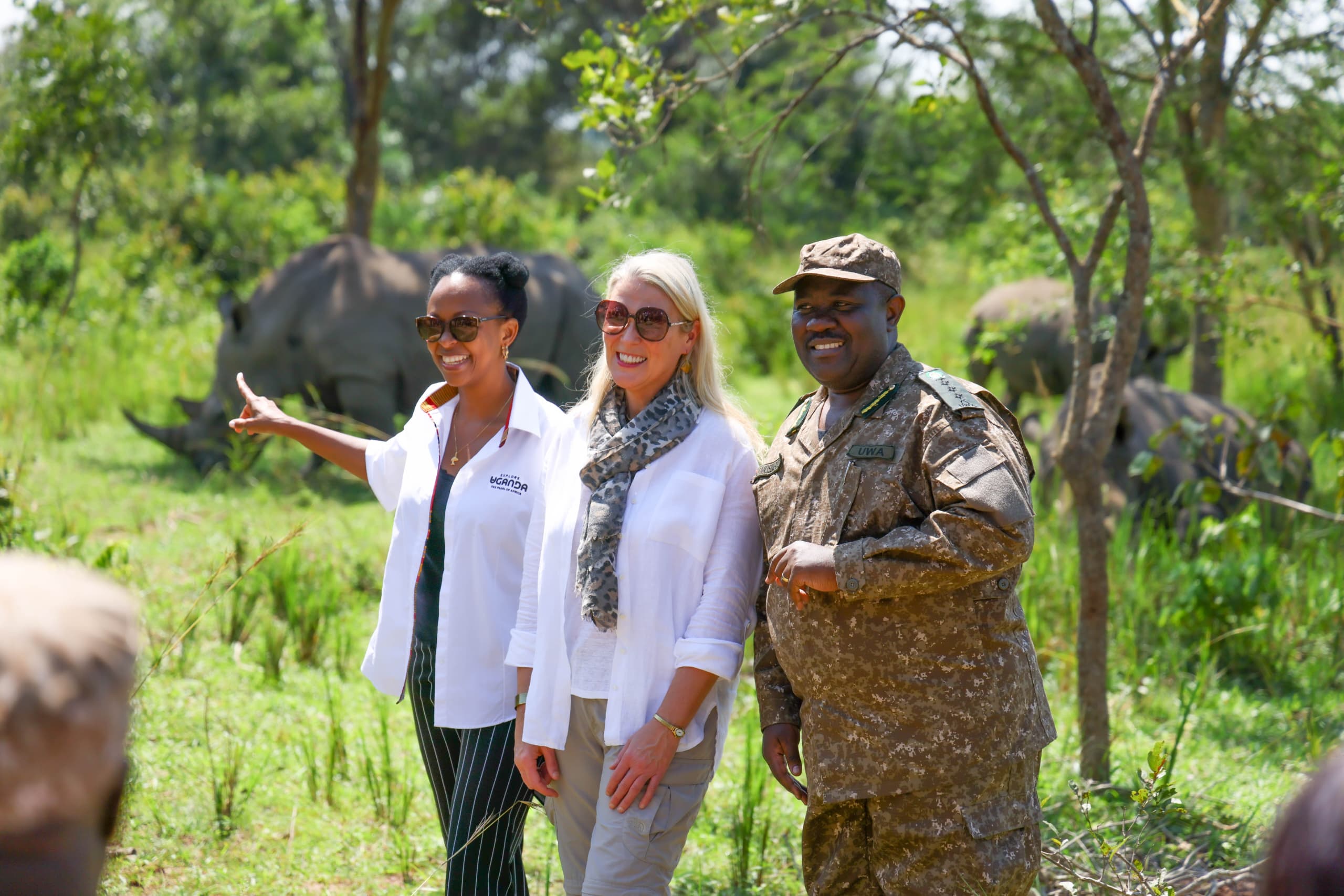
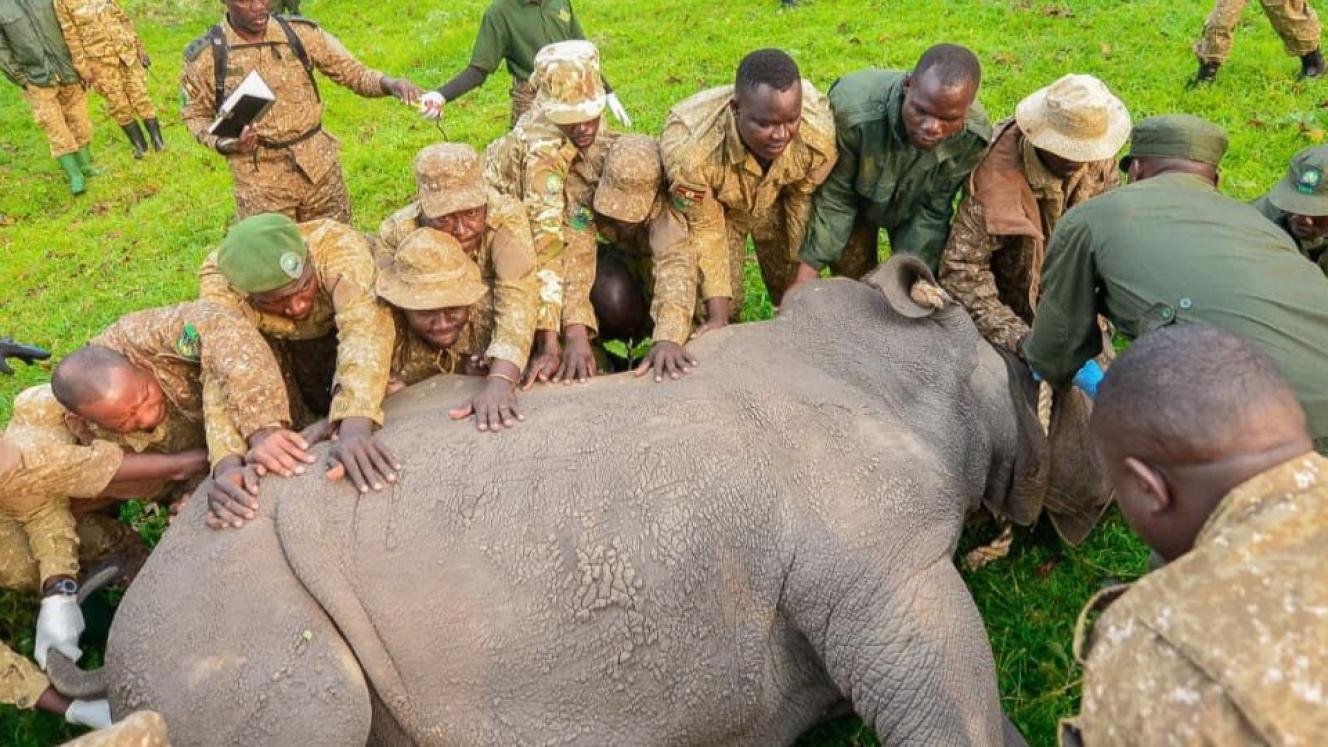
Some of the Rhinos translocated to Ajai Wildlife Reserve
MADI OKOLLO – Residents in north-western Uganda have held celebrations to mark the return of white rhinos to the Ajai Wildlife Reserve for the first time in four decades.
The translocation, which began on Monday, is seen as a major victory for local communities in the Madi Okollo district who have long considered the animals part of their natural heritage.
The reserve was once a global stronghold for the species, but rampant poaching and civil instability in the late 1970s and early 1980s led to their total extinction in the wild.
A restoration of pride
Local activists and leaders say the reintroduction is about more than just ecology; it is the restoration of a cultural identity.
Suleiman Matua, a local conservationist, said the community had long awaited this moment. He noted that rhinos lived in the area well before it was officially designated as a protected reserve, making their return a homecoming for the region.
The sentiment was echoed by young people in the district, many of whom have only ever seen rhinos in pictures or on television.
“The return of the rhinos is particularly exciting for the youth,” said William Lematia, chairperson of the Madi Okollo Youth Council. He added that the move is expected to provide a much-needed boost to tourism and local government revenue.
Security and survival
The Uganda Wildlife Authority (UWA) said it has spent months preparing the reserve to ensure the safety of the new arrivals.
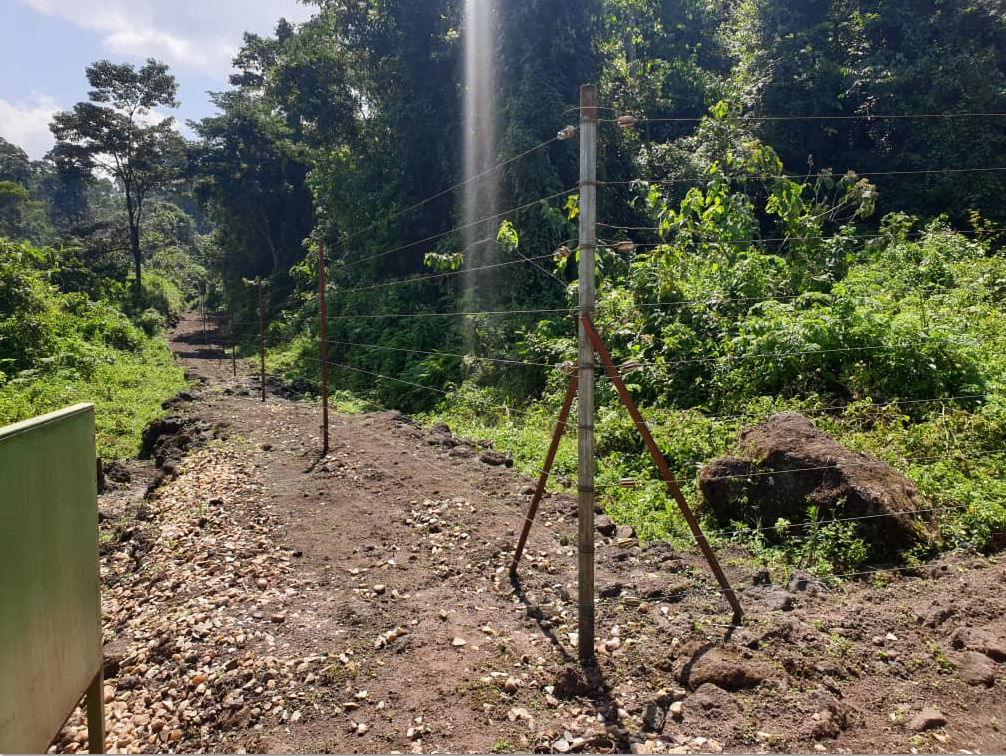
Bashir Hangi, a spokesperson for the UWA, confirmed that a specialised rhino management team has been trained to monitor the animals. Security has been tightened across the reserve, and new water points have been established to help the herd settle.
The success of the translocation is the result of a long-term breeding programme. After rhinos were wiped out in Uganda, the Ziwa Rhino Sanctuary was established to rebuild the population.
From just six southern white rhinos in 2005, the national population grew to 59 by December last year, providing enough animals to begin restocking state-run reserves.
For the people of the Ogoko sub-county, which borders the reserve, the arrival of the rhinos has fostered a renewed sense of ownership over the land and its wildlife.